Charity warns about damage of over-foraging fungi
文章內文
18 段 · 點一下(按一下)單字或選取文字即可翻譯 · 點單字或選取文字即可翻譯The impacts of over-foraging natural spaces, particularly in protected areas, can damage habitats, a Devon charity has said.
The Woodland Trust said unsustainable harvesting of plants - and particularly fungi - could put wildlife under pressure.
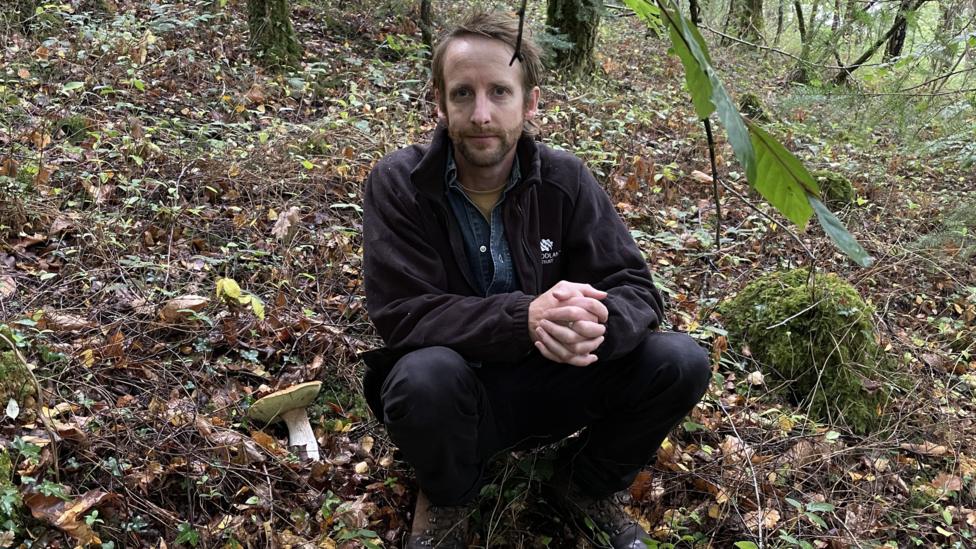
Joe Middleton, site manager for the Woodland Trust, said he had seen commercial mushroom pickers "wiping out everything on the path edges they can find".
Under Section 4 of the Theft Act 1968, it is "perfectly legal to forage for fruit, foliage, flowers, and fungi on any land, provided they are wild and collected strictly for personal use", but "foraging becomes criminal theft if you pick wild plants for commercial sale or reward without permission".
Middleton said: "I have seen commercial pickers, dropped off in mini buses with bags for life, laden heavy with mushrooms and they are going through and they are wiping out everything on the path edges they can find, trampling the forest floor."
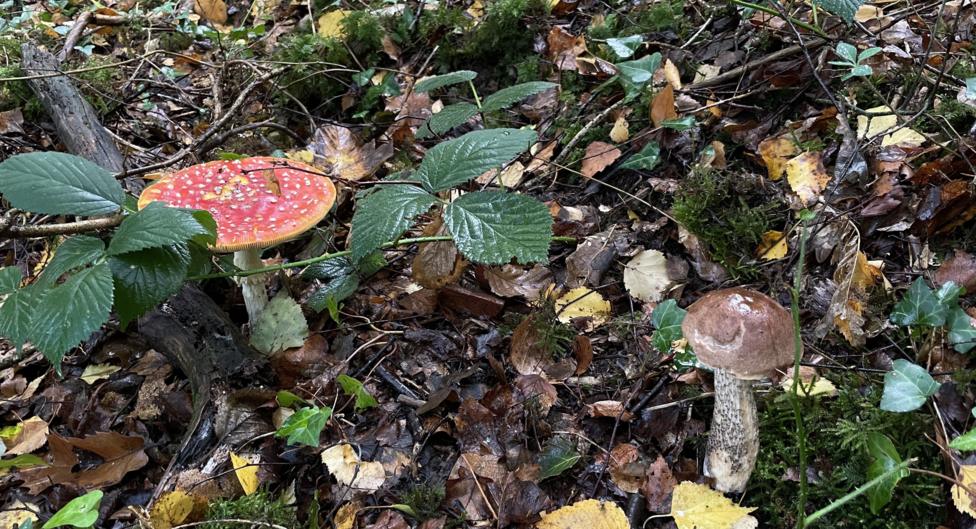
The majority of mushrooms are not edible to humans, so picking them can be potentially dangerous.
In the autumn they are an essential source of food for animals such as deer and badgers, all the way down to things that live in the soil such as worms and woodlice.
Middleton said: "If we start decimating the population, it takes their food source away.
"They can't just get up and move, a lot of our wildlife is dependent on this fungi. We just need to be a bit more sustainable in what we are doing."
Entering private property without a landowner's consent to forage is a civil rather than criminal offence. However, foraging is heavily restricted or illegal in local Sites of Special Scientific Interest (SSSIs) or protected areas like Woodland Trust sites.
Using ingredients from local areas is very fashionable on social media at the moment.
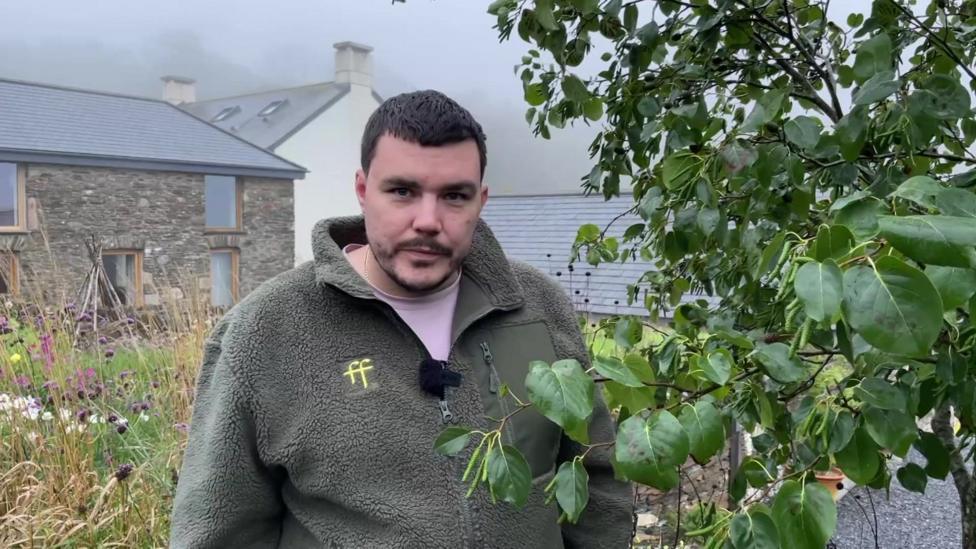
John Dobson, from the Refectory restaurant near Ugborough, said he thought there were other factors too.
He said: "The rising cost of ingredients; they're getting really, really expensive, so I think that could be encouraging people to go out and source things from other places. There is also a lack of education about the impact."
Dobson added he made sure to forage responsibly, only taking a third of what he found, and doing so with any landowner's permission.
Middleton said foraging was a great way to connect with nature, but he wanted to encourage people to enjoy woodlands without taking any of it home with them too.
He said: "We've gone a long way from Victorian times in terms of taking everything we see and pinning it and netting it.
"Now we are in a technological age. We can just use our phones, take great pictures; we can look without touching - particularly in a protected place."
Follow BBC Devon on X , external , Facebook , external and Instagram , external . Send your story ideas to spotlight@bbc.co.uk , external .
逐段譯文對不上時使用
全文翻譯
本文圖片 2
點一下(按一下)單字即翻譯該字,選取文字即立即翻譯該範圍。