Your pay, energy bills and savings: How the Budget affects you

記事本文
43 段落 · 単語をタップ(クリック)または文章を選ぶと翻訳 · 単語をタップ/文章を選ぶと翻訳Families facing cost-of-living pressures are being offered some help, or "breathing space" as Chancellor John Healey is calling it.
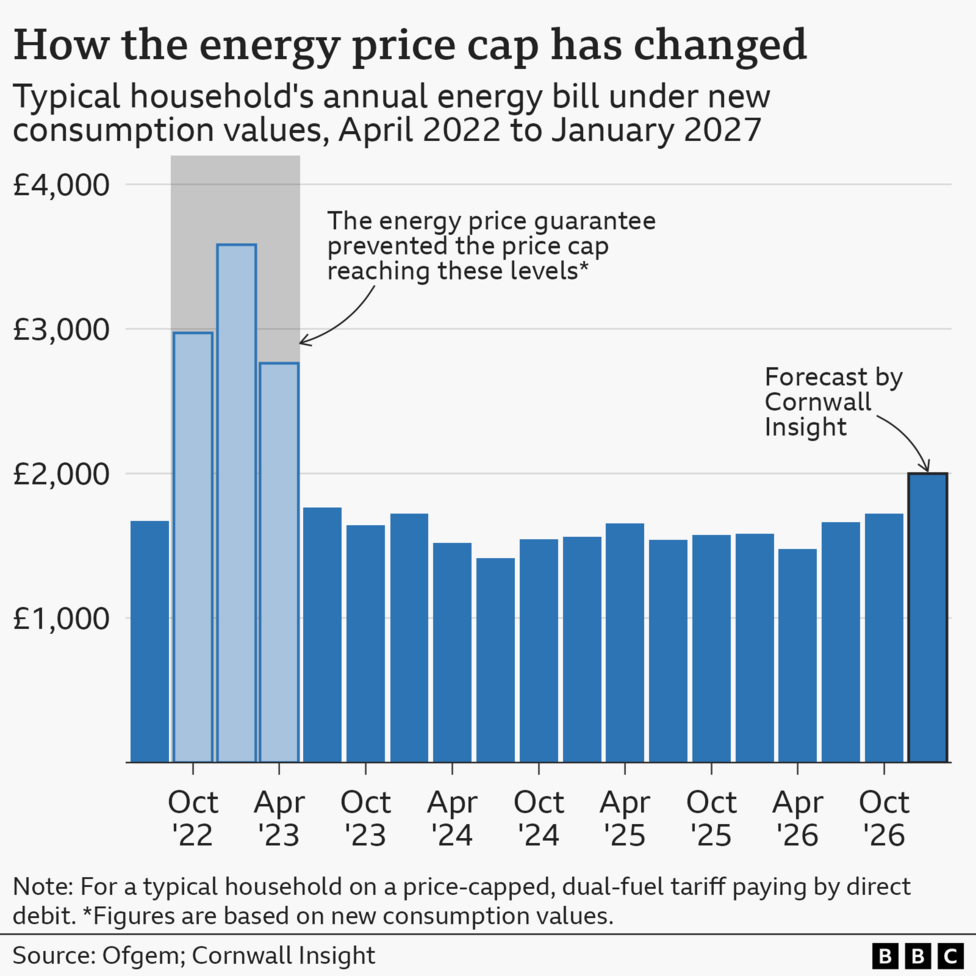
The help comes as prices are rising faster than expected with annual energy bills in particular likely to increase by around £300 or more in January.
Here's how the key announcements in the Budget affect you and your money.
If you are living in a home in council tax bands A to D in England, you will receive a one-off £100 "Household Energy Payment" from January, funded by extra tax on banks.
It will be paid directly into your bank account.
You can find your council tax band by looking on your annual bill, or by looking on the government's website , external - although that was struggling to cope with traffic after the announcement.
Administrations in Scotland, Wales and Northern Ireland will receive the equivalent funding, and they will decide whether to introduce the same payment.
This is designed to help with soaring energy bills. Tariffs linked to regulator Ofgem's price cap, are forecast to soar by hundreds of pounds a year, to an annual bill of £2,000 or more in January.
The VAT cut on electricity bills, which was introduced in October, will also be extended to July. It was due to end in April.
Gas standing charges will be scrapped in England, Scotland and Wales, during 2027 "or as soon as possible after", the chancellor said.
These fixed daily fees will be shifted onto the price of each unit of energy.
The Treasury calculates that 60% of households will gain an average of £45 a year, with lower users gaining the most - but not until after the projected big rise in bills in January.
Higher users - in the biggest houses but also large, low-income families - will pay more than they currently do.
The government wants to extend reforms to electricity standing charges later.
The 5p "temporary" cut in fuel duty on petrol and diesel, introduced by Rishi Sunak in 2022, will be extended to July. It was scheduled to be phased out from January.
It means drivers will still pay the levy at 52p per litre.
Motor fuel prices have risen sharply owing to the continued impact of the Iran war on drivers, with diesel having recently hit new records when it moved above £2 per litre.
The cost of filling a typical family car with diesel has gone up by around £30 since late February. A tankful of petrol costs about £23 more.
The chancellor has scrapped his predecessor's plans to reduce the annual amount people can save tax-free in cash in Individual Savings Accounts (Isas).
Rachel Reeves had wanted the policy to encourage personal investment in stocks and shares.
It meant, from April 2027, if you're under 65, you would only be able to save £12,000 a year in cash in an Isa, rather than £20,000.
But that plan has now been ditched.
Instead, the government plans to create a new "Starter Isa" for first-time investors.
Minimum wage rates will rise by 3.9% in April.
However, these figures mean, this time around, there's no progress on Labour's manifesto promise to narrow the gap in minimum wages between older and younger workers.
For all workers, the ongoing freeze in the income bands, or thresholds, at which income tax is paid went unmentioned in the Budget.
But it means any kind of pay rise could drag you into a higher tax bracket, or see a greater proportion of your income taxed than would otherwise be expected. Scotland has its own income tax bands.
The triple lock policy means that the state pension will go up in line with average wage increases, at 3.9%.
It means:
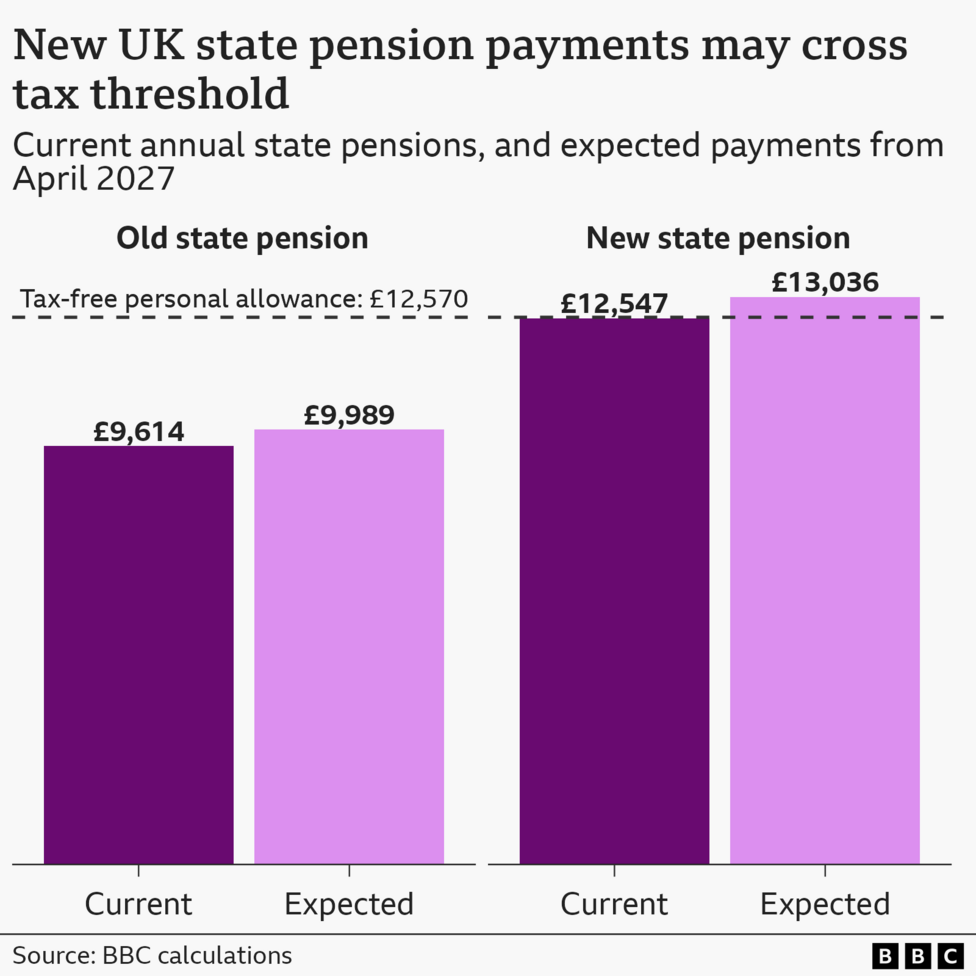
the flat-rate state pension for those who reached state pension age after April 2016 will be £250.70 a week, or £13,036.40 a year, up £488 on now
the old basic state pension for those who reached state pension age before April 2016 will be £192.10 a week, or £9,989.20 a year, up £374.40 on now
The government had already committed to not taxing people who only get an income from the state pension.
The chancellor said this would be the case until at least 2030, as there will be a new Pension Tax Allowance, so pensioners with an income up to the value of the full new state pension will not pay income tax.
The First Time Buyer Isa has been in the planning stages with the government for a while.
Healey has confirmed that it is intended to replace the often-criticised Lifetime Isa.
Separately, he confirmed the Your First Home equity scheme to allow first-time buyers in England to buy a new-build home with a deposit of 2.5%. It would provide them with a loan worth 20% of their property's value to help pay for the purchase.
Some announcements affecting your finances have previously been made by the government.
They include:
Tariffs removed from 100 food items such as baked beans and garlic, which it calculates could save households up to £21 per year - or 40p a week - when combined with existing tariff suspensions that were introduced in June
Allowing carers to earn more than an existing earnings limit without losing their entire allowance, replacing it with a taper mechanism instead. However, this will not come in until 2030
Giving two weeks of paternity pay to self-employed fathers, who have previously missed out on payments of up to £194 a week for the period
Making permanent a 55p per mile tax-free mileage rate for those driving up to 10,000 miles for work, with the rate rising from 25p per mile to 35p above that
The prime minister's plan to reinstate the £2 cap on bus fares in England from January to be in effect throughout 2027. Some cities already have caps, and funding is being given to the devolved nations
段落ごとの訳がずれるときに
全文翻訳
この記事の画像 3

単語をタップ(クリック)すると単語を、文章を選ぶとその範囲をすぐに翻訳します。